
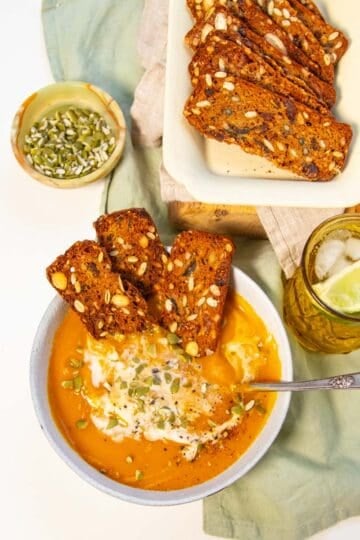
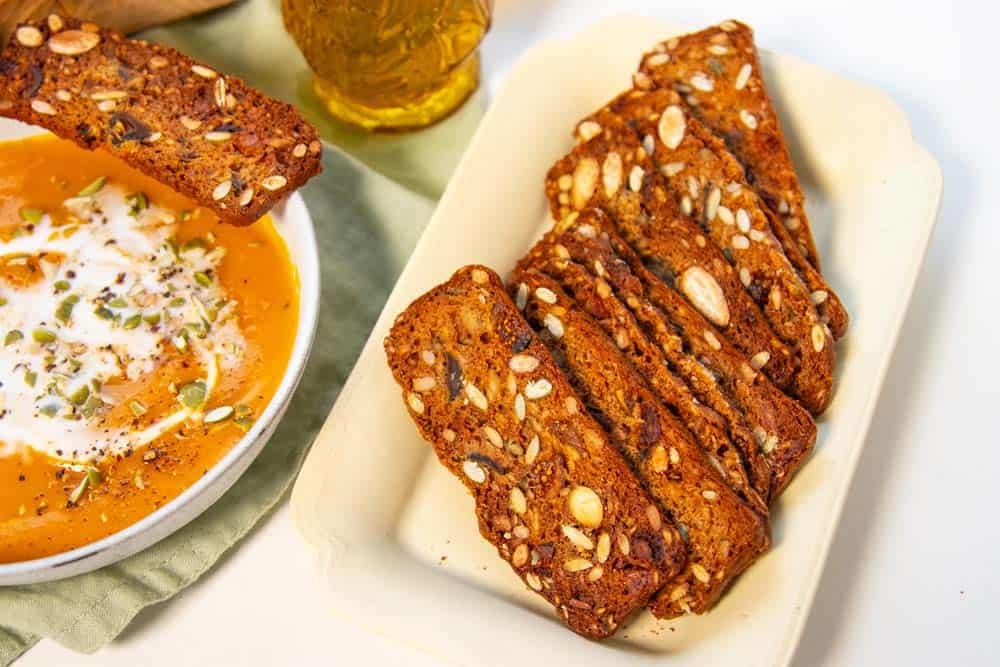
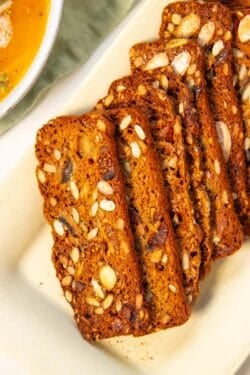
Store-bought crackers are a thing of the past in my house. This homemade cracker recipe is where it's at for me, and it takes far less effort (and cost) than you'd guess. Stir together a quick batter, bake it in a loaf pan, chill it, slice it thin, and bake again like biscotti. That's the entire process. The payoff is a tray of beautiful, crispy crackers that look like they came from a boutique bakery and taste that delicious too.
Sponsorship disclosure: This post was created in partnership with CA GROWN. All opinions, obsessions, and Cherry Bombe moments are entirely my own.
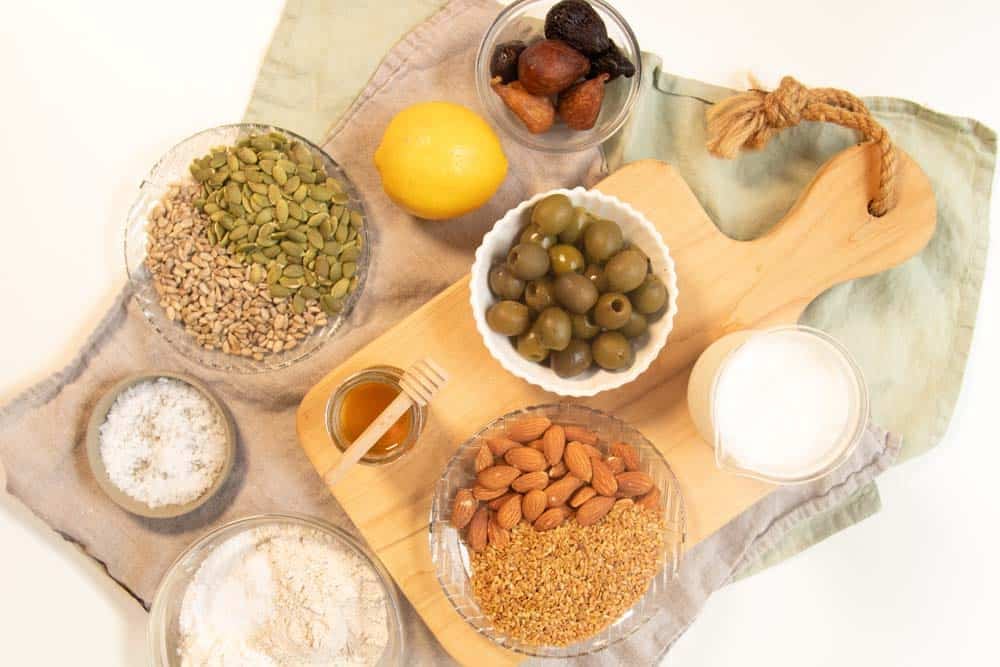
This cracker leans hard into California flavors. Sweet, jammy California figs and buttery California ripe green olives bake into every cracker, along with almonds, pepitas, sunflower seeds, flax, honey, and lemon zest. Each bite tastes slightly different from the last, which is something I really love.
Why Figs and Olives Belong in a Cracker
Sweet and salty is the oldest trick in the snack aisle for good reason. Dried figs bring honeyed, jammy sweetness and those tiny seeds that pop between your teeth. California ripe olives bring savory, buttery depth without the aggressive briny overtone some olives deliver.
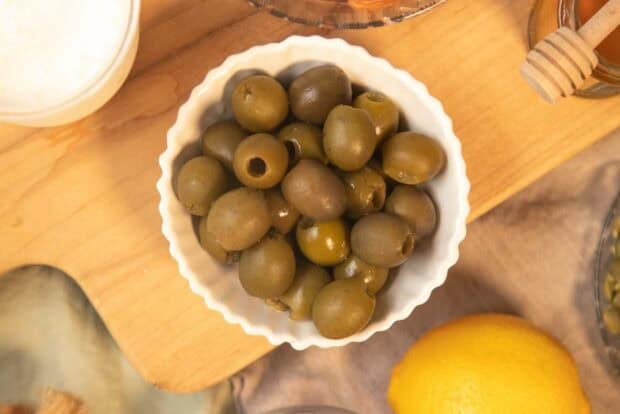
Both are proudly Californian. California figs account for 100% of dried figs and 98% of fresh figs sold commercially in the U.S., while California ripe olives come from hundreds of family farms across the state. The Golden State grows over 95% of the olives produced in the country. Those olives go through a 7-day cure that gives them a mild flavor and soft, buttery bite. That gentleness matters here. You want the olive to season every cracker, not overpower it.
Is It Cheaper to Make Your Own Crackers?
Short answer: yes, and usually by a lot. A basic cracker is flour, water, olive oil, and salt. You probably have all four in your kitchen right now, and a batch costs pocket change next to a box of plain crackers.
The savings get dramatic with the fancy stuff. Those fruit-and-nut crisps parked next to the brie at specialty shops are priced like jewelry. Last I checked, a box cost just under $9, with hardly any chance the crackers would arrive in one piece. A homemade tray costs a fraction of that; you control every item on the ingredient list, and none of them get broken from shipping and stocking.
What Is the Best Flour To Use for Crackers?
Honestly, that depends on you. Are you looking to make gluten-free crackers, or are you ok with crackers that contain wheat? My Fig and Olive Crackers use exactly one of the two flour combinations below depending on who I am cooking them for, and so do my California Raisin and Rosemary Crackers as well.
Flours to use to make crackers when baking with gluten:
All-purpose flour is a workhorse. It has enough protein to give the loaf structure for thin slicing, and it bakes into a clean, satisfying snap. If you're new to making crackers, start here.
Whole wheat flour adds a nutty, toasty flavor that loves figs. It also soaks up more liquid and can turn crackers dense, so I split the difference with half whole wheat flour and half all-purpose.
Flours to use to make crackers that are gluten-free:
Want gluten-free crackers? Swap the all-purpose flour for a cup-for-cup gluten-free flour, the kind with a binder like xanthan gum already mixed in. Without that binder, gluten-free baked goods tend to crumble. Expect slightly more delicate slices, so handle them gently.
Almond flour can stand in for the whole wheat flour in this variation. It makes a rich, tender cracker and pairs nicely with the whole almonds already in the mix. It also browns fast, so really watch the oven during the second bake when making the gluten-free version.
How Are Crackers Made From Scratch?
There are two main roads to homemade crackers. One road leads to a cracker that requires you to roll the dough out thin and cut the crackers into the desired shape. That is not our road; we are taking the easy way around. My Fig and Olive Crackers take a different route: the twice-baked method.
The Twice-Baked Loaf Method
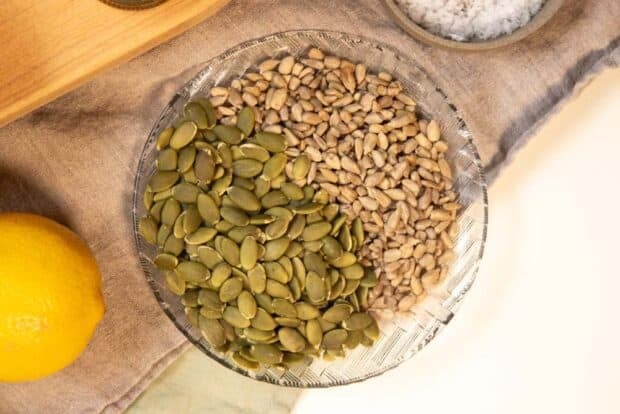
This is the secret behind those pricey crisps at the store. It handles chunky add-ins like figs, olives, nuts, and seeds far better than a rolled dough ever could.
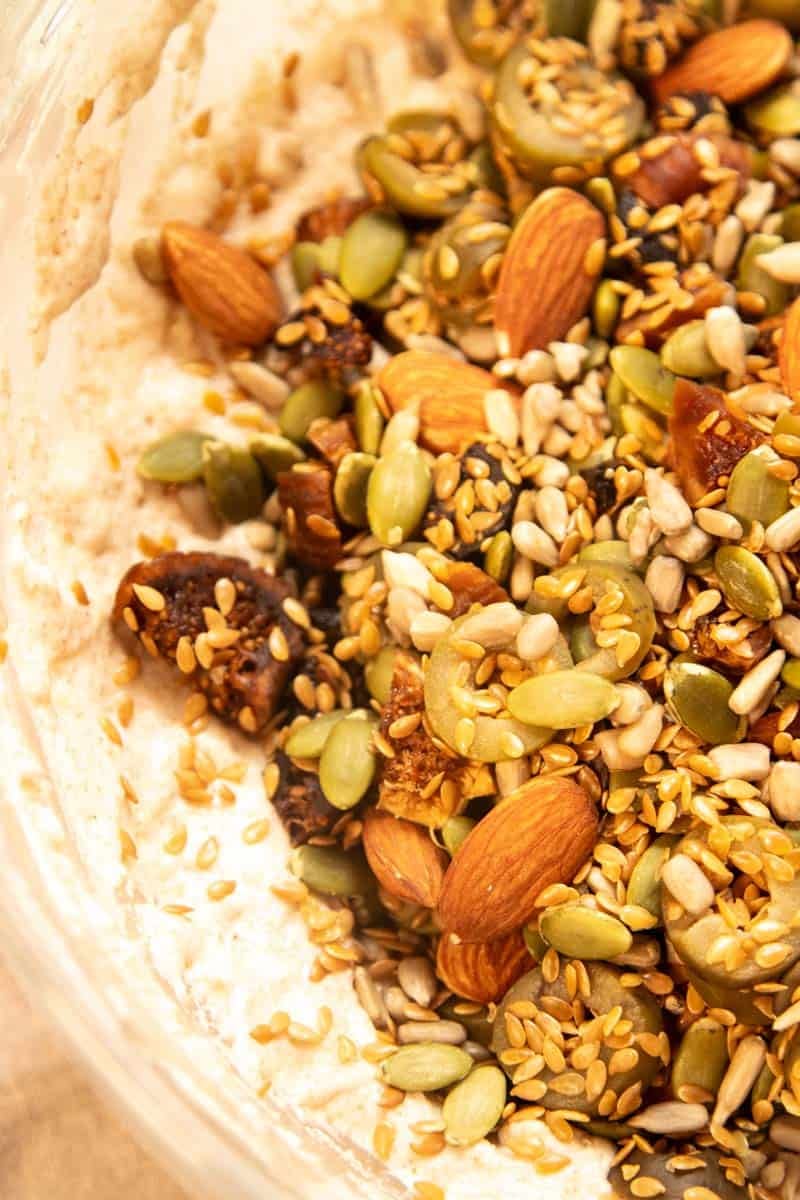
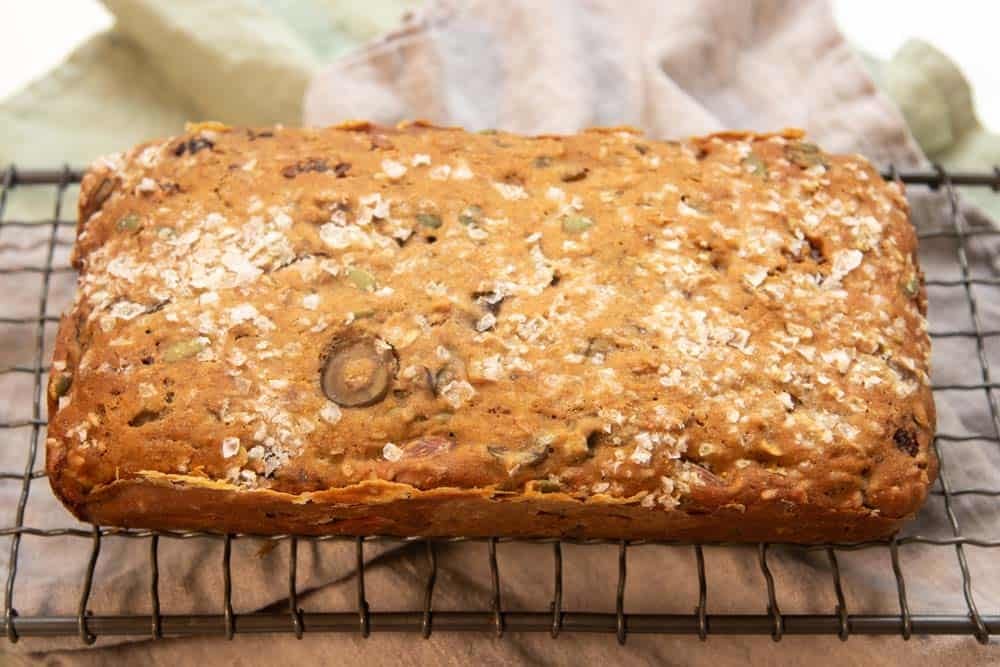
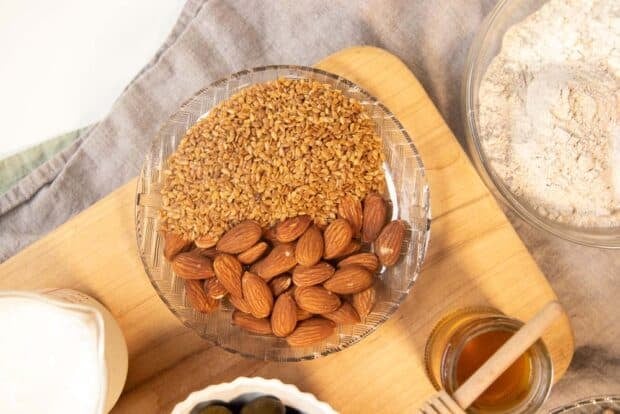
Here's how it works. Stir the flours, baking soda, salt, buttermilk, honey, and lemon zest together in a large bowl, then fold in the fruit, nuts, and seeds. The baking soda reacts with the tangy buttermilk to give the loaf a little lift. Pour the batter into a parchment-lined loaf pan, sprinkle the top with flaky salt, and bake until it's firm and golden.
Now the part that separates good crackers from great ones. Cool the loaf to room temperature, wrap it up, and freeze it for at least two hours or overnight. Cold bread is firm bread, and firm bread lets you slice thin. Let it thaw for about 10 minutes, then grab a serrated knife and cut slices about ⅛ inch thick. Keep them as uniform as you can so they bake evenly.
Preheat the oven to 400°F and line your sheet pan with parchment paper. Lay the slices cut-side down in a single layer on the prepared baking sheet. Bake, flip, and bake again, pulling each cracker as its edges turn golden brown. Let the crackers cool on a wire rack. Homemade crackers crisp as they cool, so don't panic if a few feel slightly bendy right out of the oven.
Crackers Not Crispy?
Soft crackers are a letdown, but the cause is almost always one of these.
- The slices were too thick. Much thicker than ⅛ inch, and you're making toast. Slice thinner than feels necessary.
- The loaf wasn't cold enough. A soft, room-temperature loaf squishes under the knife and gives you chunky slices. Let it freeze fully.
- The thickness was uneven. Thin spots burn while thick spots stay floppy. Take your time with the knife and aim for uniform slices.
- They came out too early. Pale crackers are soft crackers. Wait for golden edges and a dry, firm center.
- The add-ins were wet. Olives carry moisture. Pat the sliced olives dry, and dice the figs finely before adding them to the batter.
- You skipped the flip. The underside needs direct heat too. Flip every slice after the first 8 to 10 minutes.
- They went into storage warm. Trapped steam turns crisp into chewy overnight. Always let them cool completely first.
Already have a soft batch? Easy fix. Preheat oven to 350°F, spread the crackers on a baking sheet, and bake for about 5 minutes. Allow the crackers to cool again, and they'll snap right back.
How to Store Homemade Crackers
Once the crackers cool completely, tuck them into an airtight container or bag and keep them at room temperature for up to five days.
How to Serve Fig and Olive Crackers
Like the Raisin Rosemary Crackers I made for California Raisins, these crackers are meant for a charcuterie board. Pile them next to soft goat cheese, a nutty aged cheddar, or a wedge of blue, add some salami, and pour a glass of wine from Paso if you've got it. As far as I'm concerned, cheese and crackers are their own food group and a welcome dinner any night of the week.

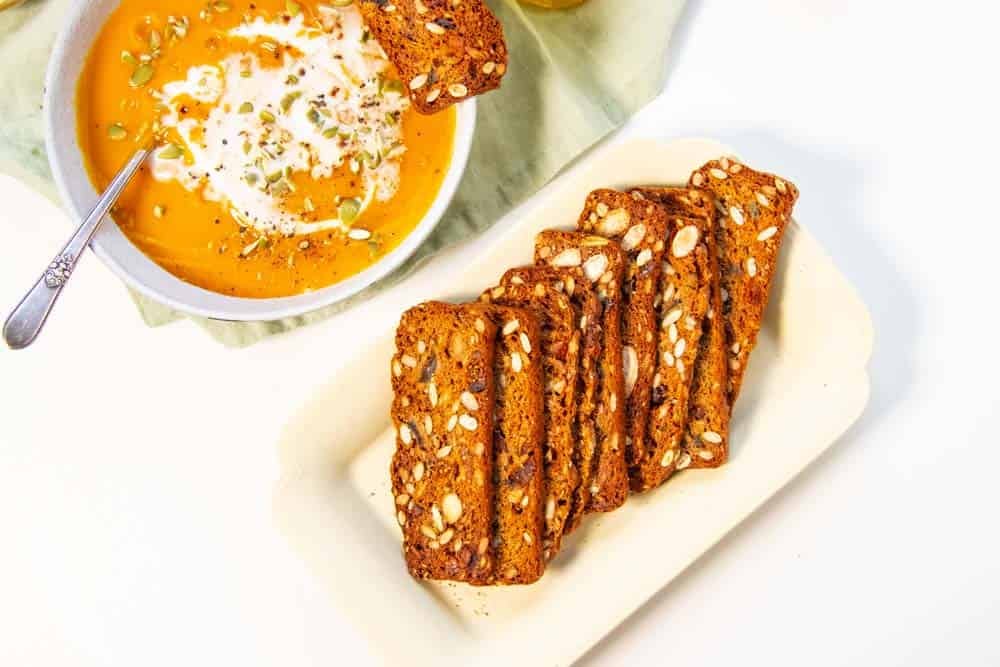
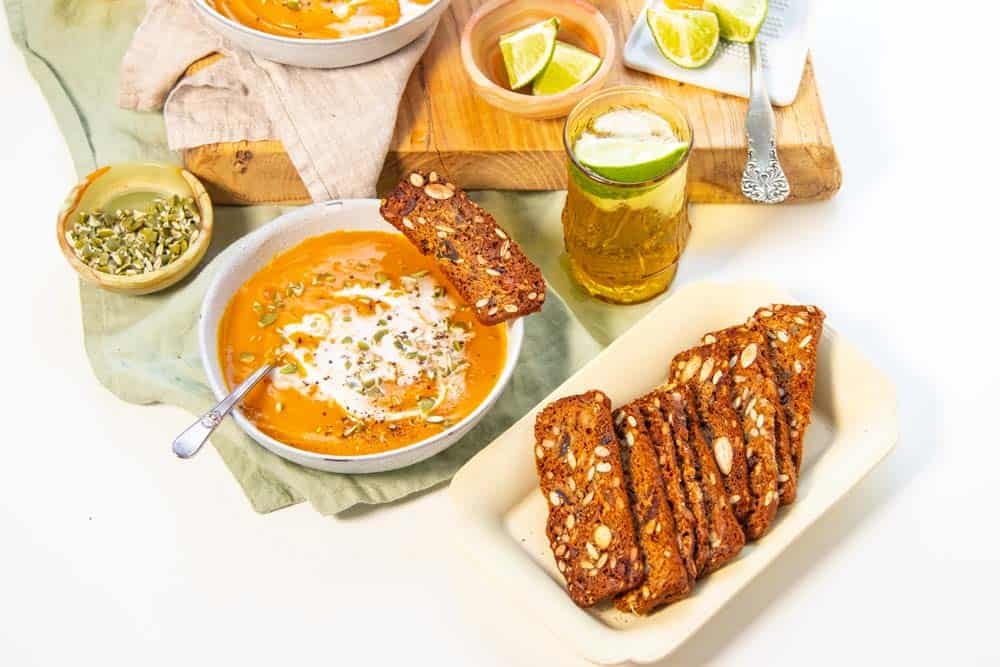
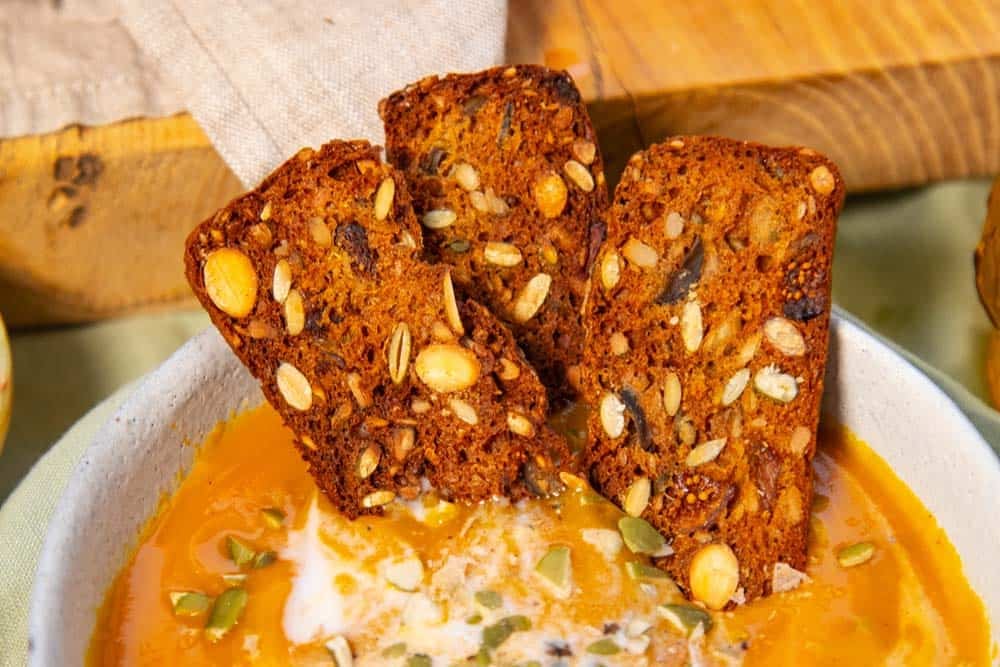
They're also great served alongside a bowl of soup, crumbled over a salad, or eaten straight off the wire rack while you pretend you're saving them for guests. Top one with a spoonful of olive tapenade for a double dose of olive flavor. Or a smear of dried fig mostarda is just as good.
More California Ripe Olive and Fig Recipes to Make Next
Got extra ripe olives and dried figs after baking crackers? Good. Here's where to put them to use.

California Ripe Olive Recipes
- Olive and Wild Rice Salad: Hearty, briny, and sturdy enough to pack for lunch.
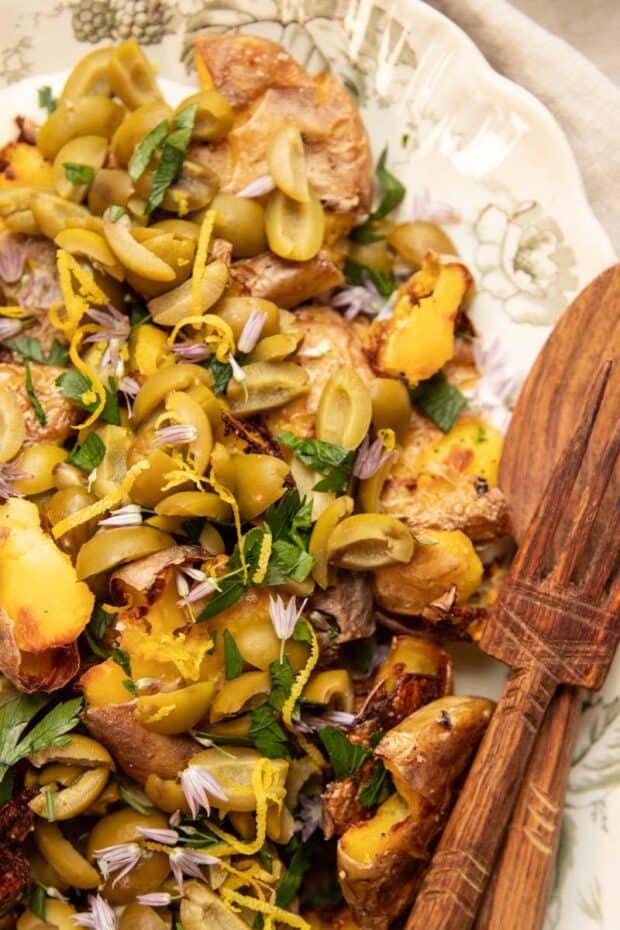
- Crispy Smashed Potatoes with Dirty Martini-Infused Olive Topping: Your favorite cocktail, reborn as a side dish.
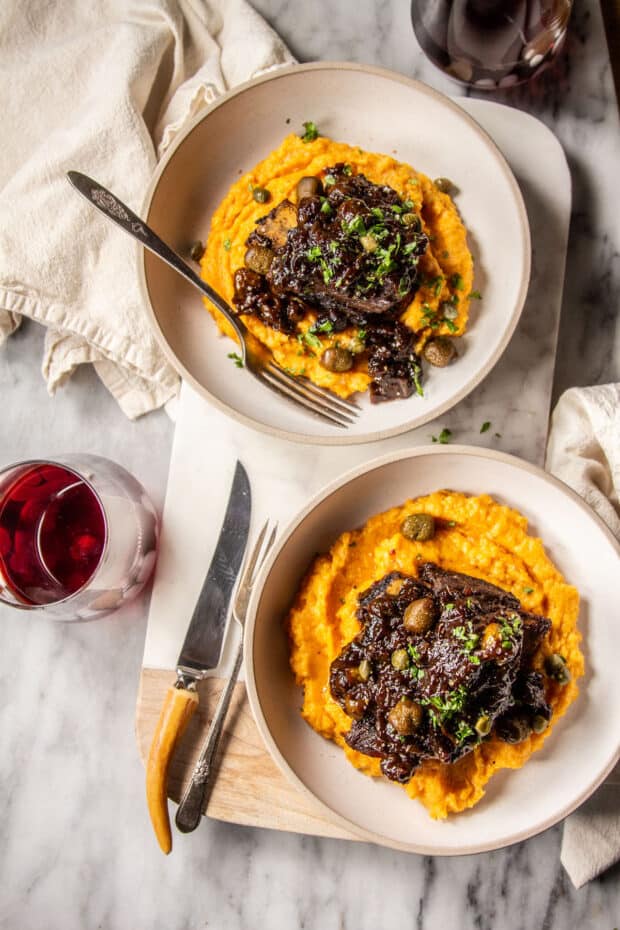
- Short Rib Marbella: A dinner-party classic that tastes even better the next day.
- Olive Tapenade: The spread your homemade crackers have been waiting for.
- Roasted Ripe Olives: Warm olives with almost no effort. An easy appetizer win.

Dried Fig Recipes
- Red Wine-Laced Figgy Pudding: Yes, you can actually make the thing from the Christmas carol.
- Fig + Nut Stuffed Sweet Potato: A cozy side that could easily steal the show.
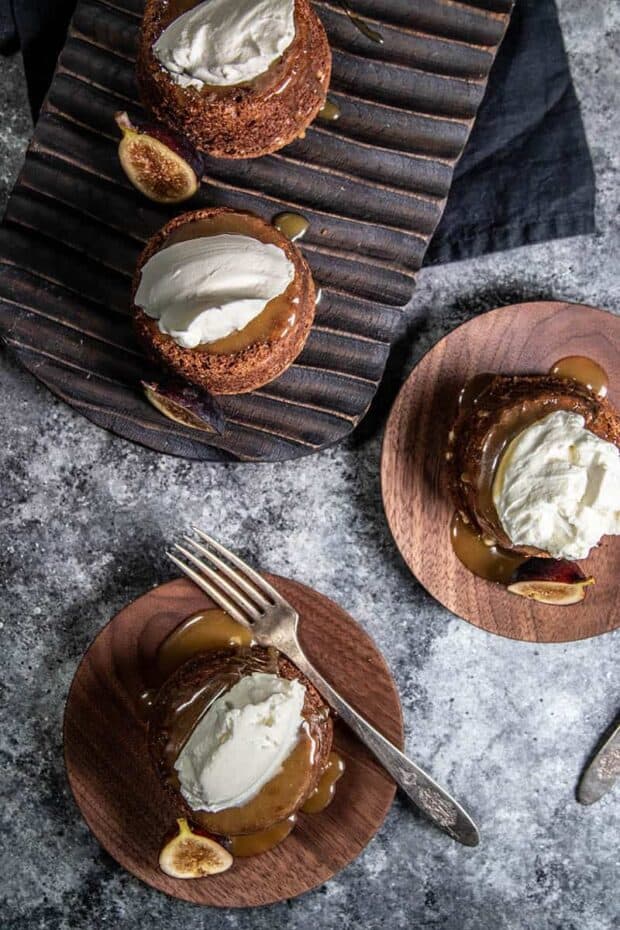
- Dried Fig Olive Oil Cake with Orange Caramel: Tender, citrusy, and worth every crumb.
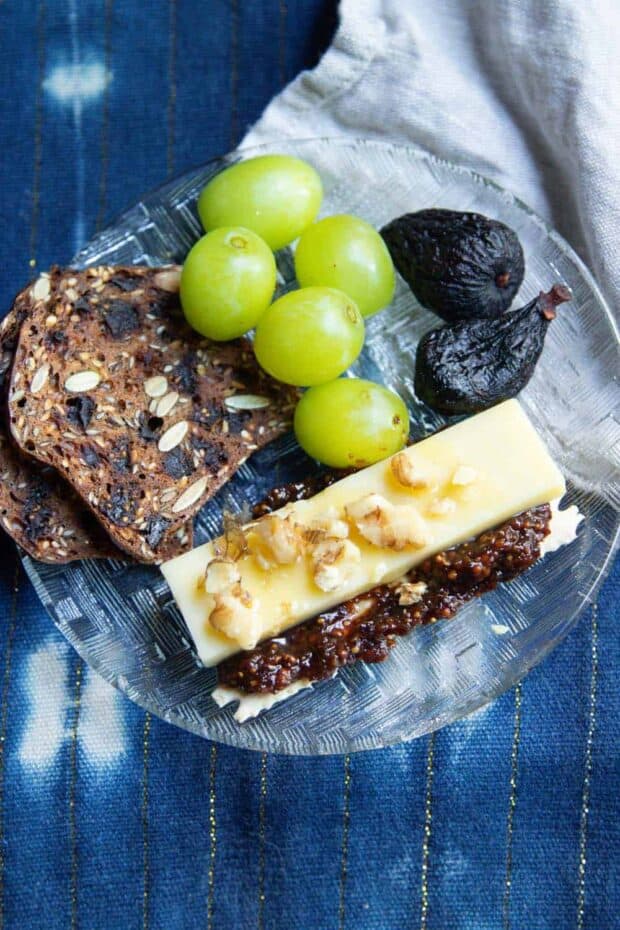
- Dried Fig Mostarda: Sweet, tangy, and a cheese plate's best friend.
- Fruitcake Recipe: The fruitcake that wins over fruitcake skeptics.
Make a Batch This Week
Homemade crackers sound like a project. They're really just a loaf of quick bread with a second act. Start with this fig and olive version, and once you've nailed it, play around. This is the same base as my Raisin and Rosemary Crackers, so swap the dried fruit, add fresh herbs, or try a new flour. You'll never look at the cracker aisle the same way again.
Keep scrolling past the recipe card for pictures and stories about my trip to Paso Robles, CA, with CA GROWN to attend the Cherry Bombe Farmers and Makers event.
PrintFig and Olive Crackers
- Prep Time: 15
- Cook Time: 1 hr
- Total Time: 0 hours
- Yield: 24 crackers 1x
- Category: Appetizer, Snack
- Method: Baking
- Cuisine: American
Ingredients
- ¼ cup finely diced dried California figs
- ¼ cup sliced California ripe green olives
- ¼ cup raw sunflower seeds
- ¼ cup flax seeds
- ¼ cup pepitas
- ¼ cup whole almonds
- ½ cup whole wheat flour or almond flour
- ½ cup all-purpose flour or g-free cup-for-cup flour
- 1 teaspoon baking soda
- 1 teaspoon coarse kosher salt
- 1 cup buttermilk
- 11/2 tablespoons honey
- 1 lemon, zest removed
- ½ teaspoon flaky finishing salt, plus more to taste
Instructions
- Preheat the oven to 350F. Grease a loaf pan with olive oil and line with a parchment paper sling. Set aside.
- Combine the California figs, ripe green olives, seeds, and almonds in a small bowl. Stir to combine.
- In a large bowl, combine the flours, baking soda, kosher salt, buttermilk, honey, and lemon zest. Mix in the fig and olive mixture.
- Pour the batter into the prepared loaf pan. Sprinkle the top with flaky finishing salt. Bake for 35 minutes until the top is firm and golden on top. Cool to room temperature.
- Wrap the loaf in plastic wrap and place in the freezer for at least 2 hours or overnight. The cold bread helps with thinner slicing.
- Preheat the oven to 400F.
- Remove the loaf of bread from the freezer and allow to sit for 10 minutes to thaw slightly. With a serrated knife, cut ⅛-inch slices. Slices should be as uniform as possible. Place slices cut side down on an ungreased, parchment paper lined sheet pan.
- Bake for 8-10 minutes, flip, bake for an additional 15 minutes, removing crackers to a cooling rack as they turn golden brown around the edges. Cool completely.
- Crackers can be stored for up to five days in an airtight container or bag.
Nutrition
- Serving Size: 2 crackers
- Calories: 158
- Sugar: 10.7 g
- Sodium: 317.5 mg
- Fat: 7 g
- Carbohydrates: 21.3 g
- Protein: 4.6 g
- Cholesterol: 2.2 mg

A Weekend in Paso Robles Inspired This Recipe
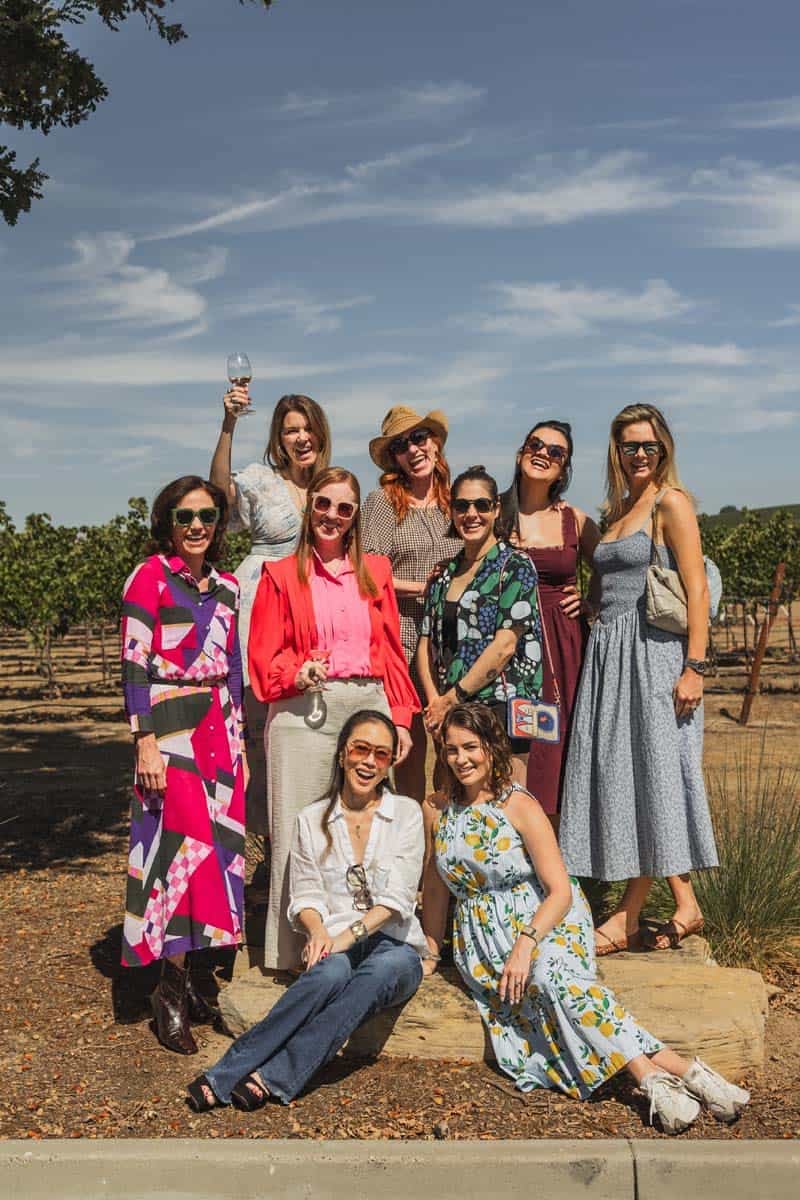
In late September, I headed to Paso Robles for Cherry Bombe Magazine's Farmers & Makers weekend. The whole event honored the International Year of the Woman Farmer, which meant tastings, dinners, and long conversations with the women who grow, make, and pour so much of what we eat and drink in this state.
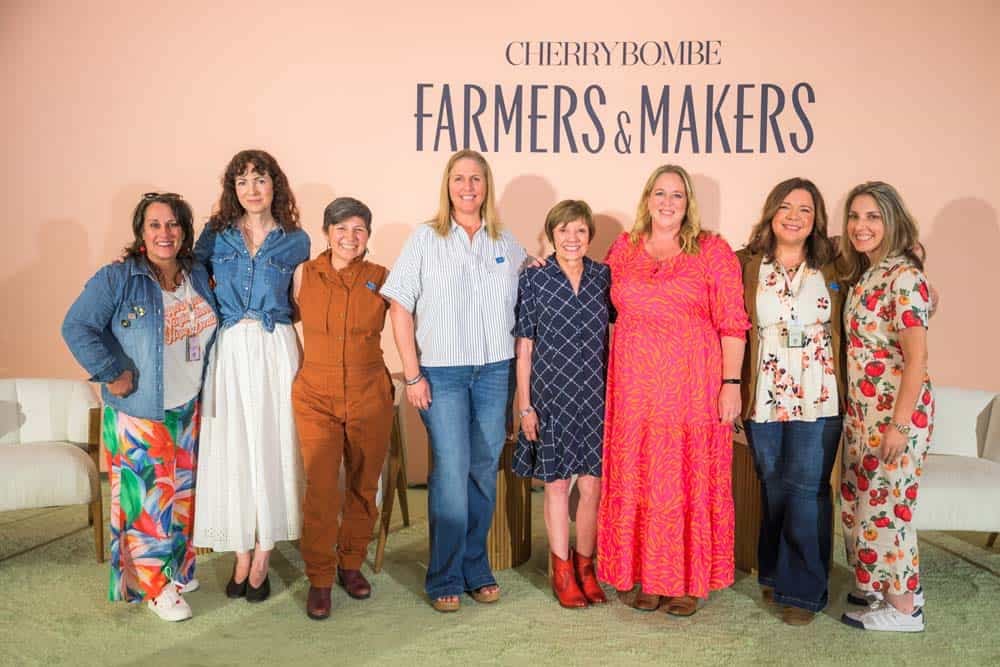

Friday opened with a welcome party at the Austin Hope and Treana Tasting Cellar, where the wine kept flowing, and the bites kept coming. Saturday started with yoga, then moved to lunch at the edge of the vines at J. Lohr Vineyards & Wines. Co-owner Cynthia Lohr welcomed us, and Secretary Karen Ross gave a truly inspiring talk.
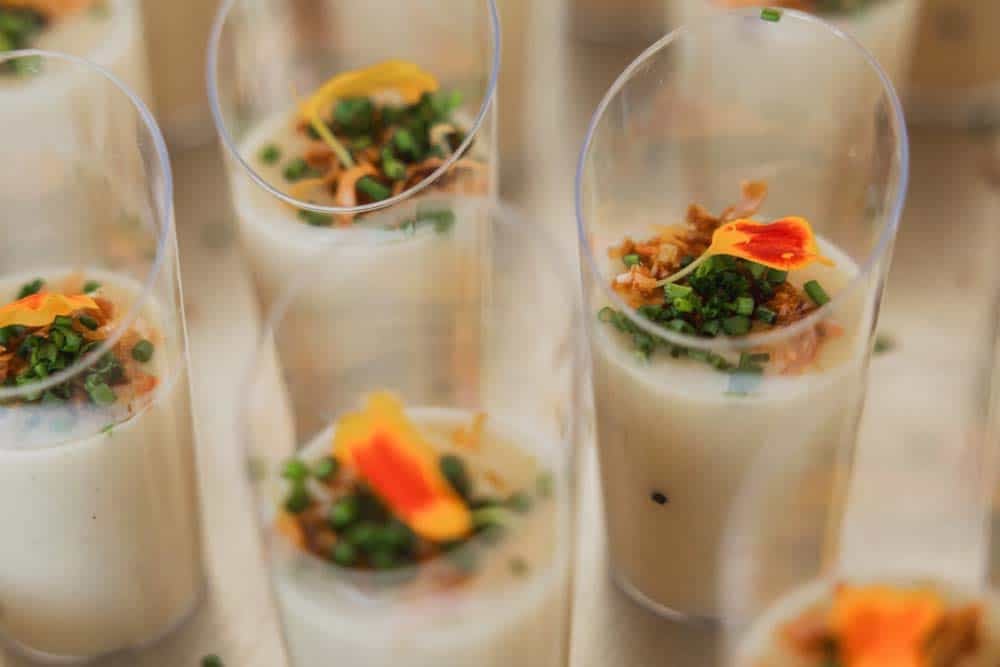
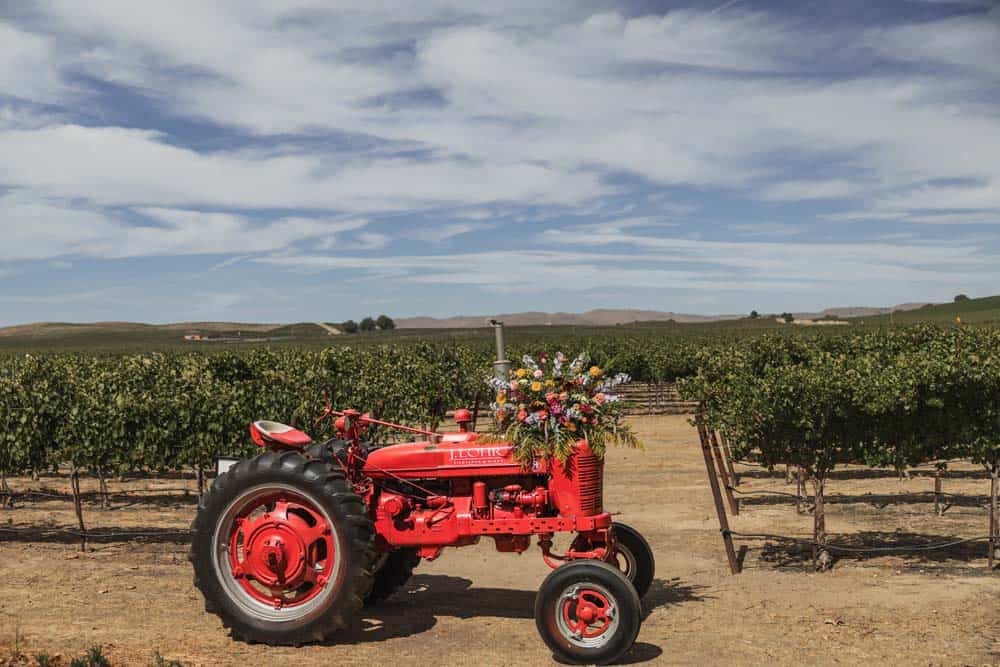
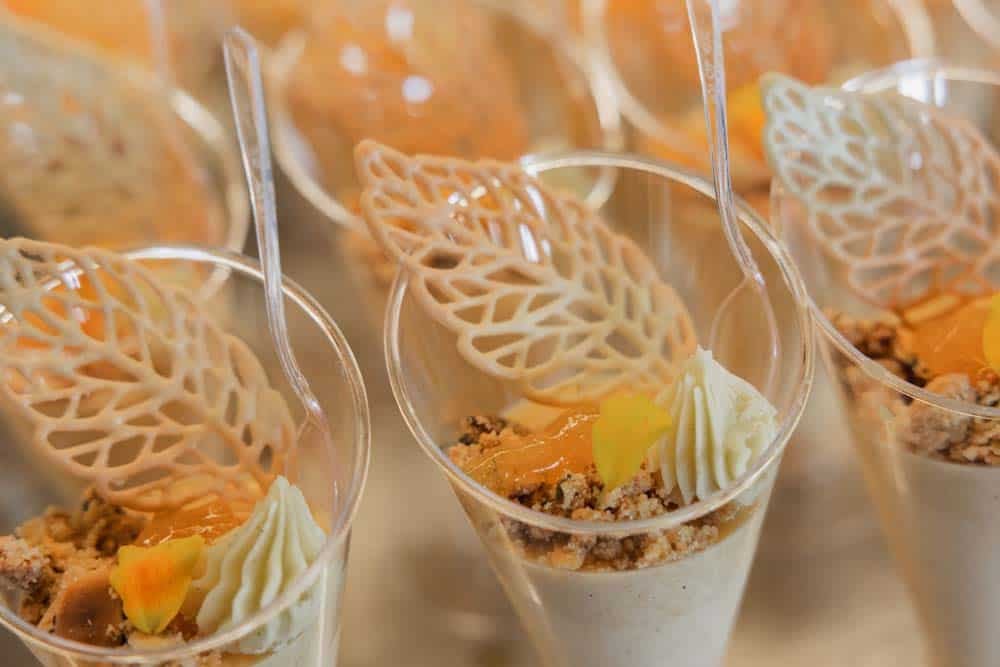
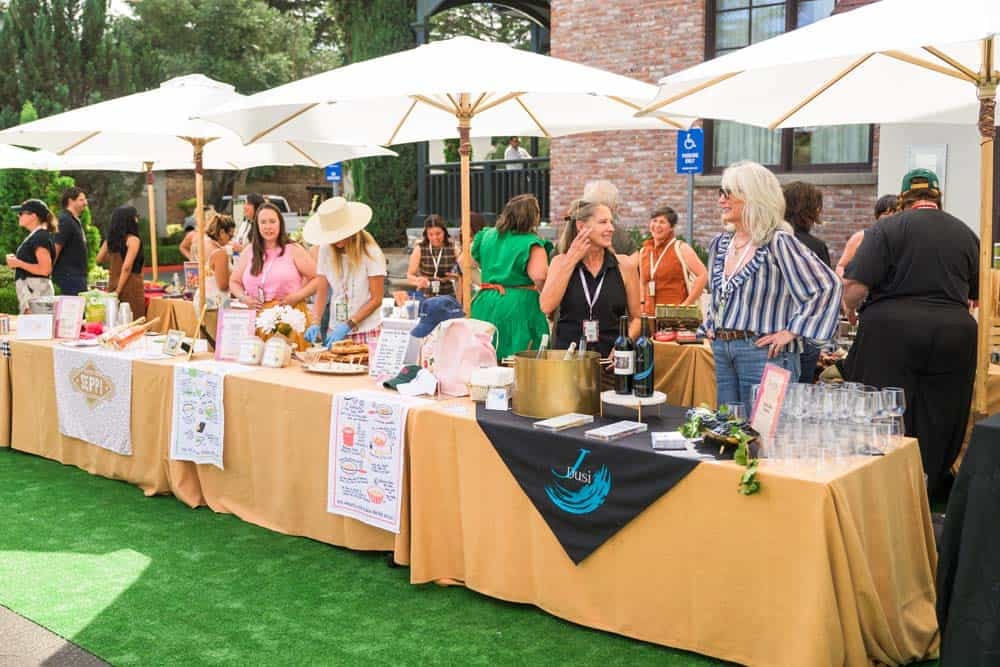
That afternoon, the courtyard at the Paso Robles Inn turned into the Cherry Bombe X CA GROWN Farmers & Makers Market. Female-led farms, wineries, and food businesses filled every corner. We strolled. We snacked. I met women doing seriously clever things in agriculture, then slipped into the 1889 House ballroom for panels that stuck with me long after I got home.
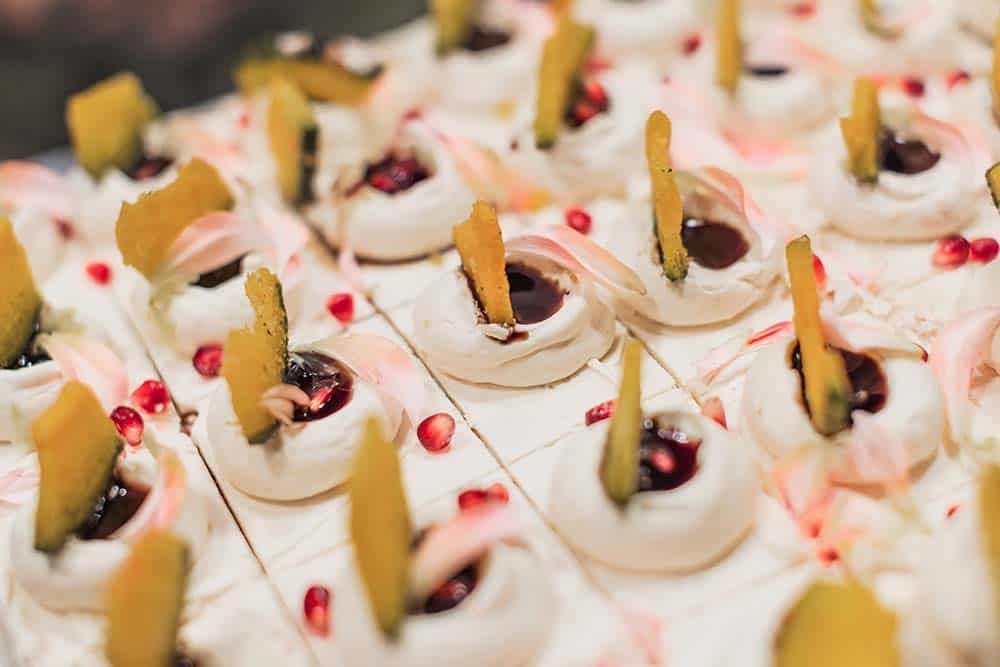
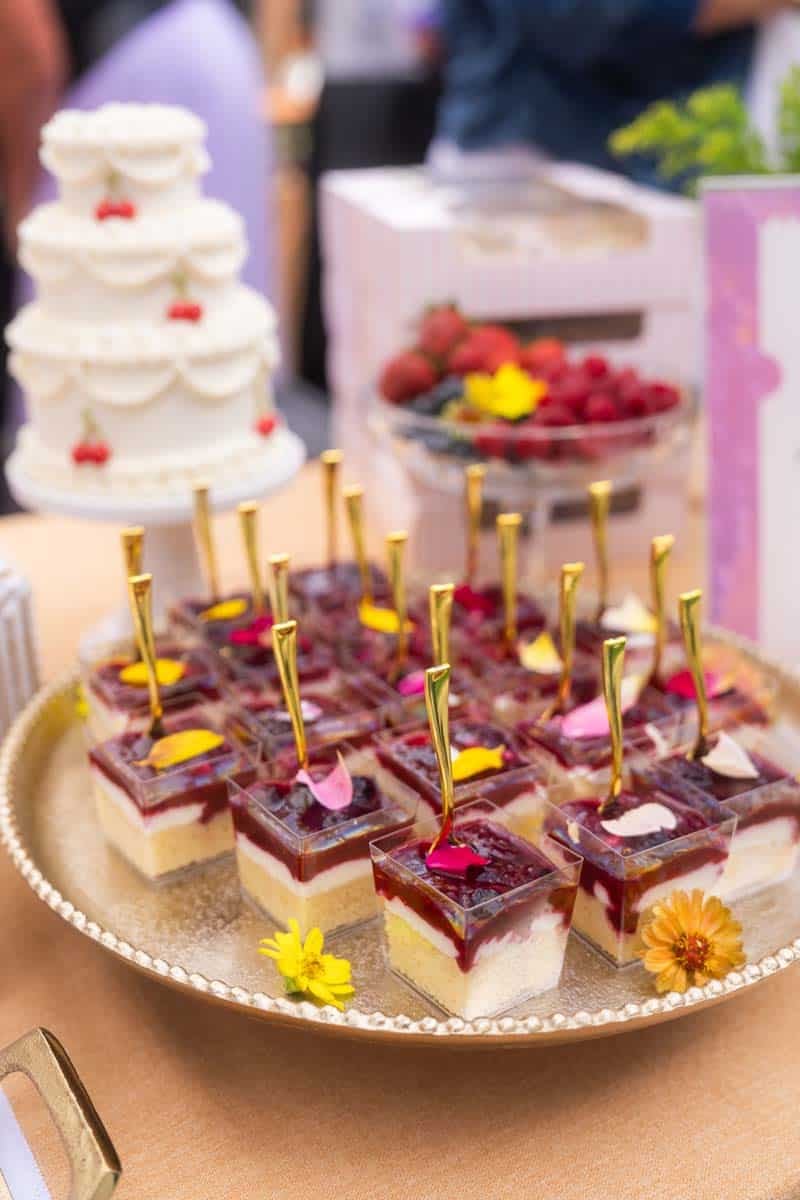
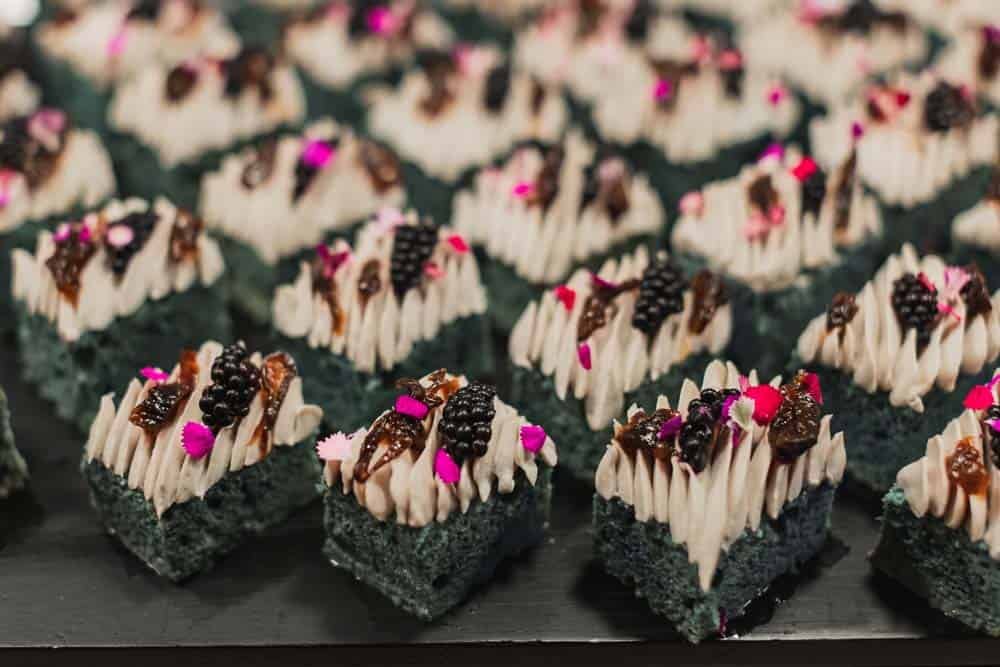
I wrote up the rest of the weekend, including about the Sugar Plum Shortbread cookie that inspired my new brown butter how-to and Sugar Plum Snack Cake post. Spend a weekend around people who care this much about where food comes from, and it changes how you think about food in general. I came home inspired to build recipes inspired by a handful of my favorite California crops. Figs and olives jumped to the top of the list. And since wine country basically runs on cheese and crackers, I knew immediately that I had to make the perfect homemade vessel for all of my own cheese tastings and characuterie boards.

Leave a Reply